Overview of the Manaslu Trek
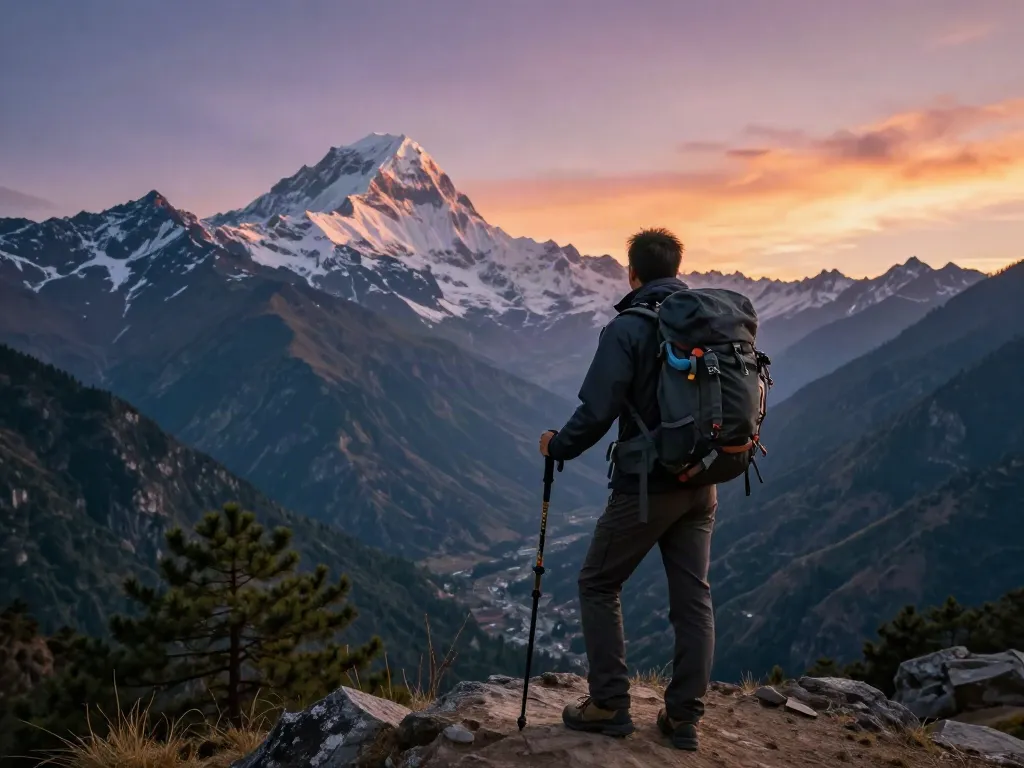
The Manaslu Trek is a remarkable journey through the breathtaking landscapes of Nepal, offering trekkers the opportunity to explore remote villages, rich cultural heritage, and stunning Himalayan scenery. This trek circles around Mount Manaslu, the eighth-highest peak in the world, standing at an impressive 8,163 meters (26,781 feet). The route not only showcases the majestic mountains but also encounters diverse terrain ranging from lush green valleys to high-altitude passes, making it a challenging yet rewarding adventure. The trek is perfect for those seeking an off-the-beaten-path experience, away from the more crowded trails of Everest and Annapurna.
What is the Manaslu Trek?
The Manaslu Trek is a 15-day circuit that takes you around Mount Manaslu, navigating through various terrains and ethnic villages. Starting from Arughat or Machha Khola, the trek leads through dense forests, terraced fields, and traditional Tibetan-influenced villages such as Samagaon and Samdo, allowing trekkers to engage with local cultures. One of the key highlights of the trek is the crossing of the Larkya La Pass, which stands at 5,160 meters (16,929 feet) and offers breathtaking panoramic views of the surrounding peaks. The entire trek covers approximately 177 kilometers (110 miles), providing adventurers with the chance to witness the natural beauty and diverse wildlife of the Manaslu Conservation Area.
History and Cultural Significance
The Manaslu region is steeped in history and cultural richness, heavily influenced by Tibetan traditions. The area was once a trading route between Nepal and Tibet, and remnants of this heritage can still be seen in the culture, architecture, and daily life of the local communities. The trek passes through numerous ancient monasteries like the Pungyen Gompa, which is vital for understanding the spiritual fabric of the region. Interactions with local groups, especially the Gurung and Tibetan ethnic communities, offer trekkers a glimpse into their unique lifestyles, traditional practices, and festivals, making the trek not just an adventure but a cultural immersion as well.
Best Times to Trek Manaslu in 2026
The optimal times for trekking the Manaslu circuit are during the spring (March to May) and autumn (September to November) seasons. Spring is characterized by warmer temperatures and blooming rhododendrons, while autumn offers clear skies and vibrant views of the snow-capped peaks. These seasons provide the best trekking conditions in terms of weather, visibility, and overall experience. The summer monsoon (June to August) brings heavy rainfall, making trails slippery and increasing the risk of landslides, while winter (December to February) can lead to snow-covered paths, challenging accessibility to higher elevations.
Itinerary and Trekking Route
Detailed Day-by-Day Itinerary
The journey begins in Kathmandu, where trekkers are welcomed and briefed about the upcoming adventure. Afterward, you'll drive to Machha Khola, marking the start of the trek. Below is a detailed itinerary for the 15-day trek:
- Day 1: Arrival in Kathmandu and transfer to hotel.
- Day 2: Drive to Machha Khola (8-10 hours).
- Day 3: Trek to Jagat (6-7 hours).
- Day 4: Trek to Deng (6-7 hours).
- Day 5: Trek to Namrung (7-8 hours).
- Day 6: Trek to Lho (3-4 hours).
- Day 7: Trek to Samagaon (3-4 hours).
- Day 8: Acclimatization day; options to hike to Birendra Lake or Manaslu Base Camp.
- Day 9: Trek to Samdo (3-4 hours).
- Day 10: Trek to Dharmashala (4-5 hours).
- Day 11: Trek to Bhimthang via Larkya La Pass (8-9 hours).
- Day 12: Trek to Goa (5-6 hours).
- Day 13: Trek to Dharapani (3-4 hours).
- Day 14: Drive back to Kathmandu (10-12 hours).
- Day 15: Transfer to the airport for departure.
Essential Stops and Highlights Along the Trek
Each day on the Manaslu Trek offers unique experiences and stunning views. Some highlights include:
- The lush landscapes of the Budi Gandaki River valley.
- Traditional villages such as Philim and Namrung with their unique architecture and hospitable locals.
- The breathtaking views from Larkya La Pass, showcasing some of the highest peaks in the region.
- Cultural interactions at monasteries and local festivals.
- Acclimatization days spent exploring around Samagaon or enjoying local cuisine.
Acclimatization and Its Importance
Acclimatization is a crucial aspect of high-altitude trekking. On Day 8, the trek takes a rest at Samagaon, allowing trekkers to adapt to the altitude. This day is essential not only for physical recovery but also for minimizing the risks of altitude sickness. Engaging in light activities, such as hiking to Birendra Lake, allows the body to adjust while enabling trekkers to enjoy stunning views without overexertion.
Preparation for the Manaslu Trek
Physical Fitness and Training Tips
A good level of fitness is essential for enjoying the Manaslu Circuit Trek. The trek involves long hours of walking on varied terrain, so preparation is key. Here are some tips to ensure you are physically ready:
- Incorporate cardiovascular exercises such as running, cycling, or swimming into your routine.
- Focus on strength training, particularly for your legs and core, to support endurance during climbs.
- Practice hiking with a weighted backpack to simulate trekking conditions.
- Start training at least two months before the trek, aiming for 4-5 days a week of exercise.
Packing List for a Successful Trek
Proper gear is essential for the Manaslu trek. A comprehensive packing list includes:
- Sturdy trekking boots with ankle support.
- Warm layers, including thermal base layers, insulated jackets, and waterproof shells.
- Sleeping bag rated for cold temperatures.
- Essential trekking gear, such as trekking poles, headlamps, and water bottles.
- First aid kit and personal medications.
- Sun protection gear, including sunglasses, sunscreen, and hats.
Obtaining Required Permits and Documentation
Because the Manaslu Trek is in a restricted area, trekkers must obtain several permits, including:
- Manaslu Restricted Area Permit (MRAP).
- Manaslu Conservation Area Permit (MCAP).
- Annapurna Conservation Area Permit (ACAP).
- Trekkers’ Information Management System (TIMS) card.
These permits can be arranged through a registered trekking agency, and it's advisable to complete this process well in advance to ensure a smooth start to your trek.
Challenges and Safety on the Manaslu Trek
Common Obstacles and How to Overcome Them
Trekking the Manaslu circuit presents various challenges, including:
- Steep ascents and descents can lead to exhaustion; pace yourself and take regular breaks.
- Weather conditions can change rapidly; layered clothing and waterproof gear are essential.
- Limited access to medical facilities; carrying a well-stocked first aid kit is crucial.
Being mentally prepared and having a flexible attitude helps in overcoming these challenges effectively.
Health Risks: Understanding Acute Mountain Sickness
Acute Mountain Sickness (AMS) is a significant concern at high altitudes. Symptoms include headaches, nausea, and fatigue. To reduce the risk of AMS:
- Ascend gradually and take acclimatization days seriously.
- Stay hydrated and eat well to maintain energy levels.
- Know the symptoms of AMS and be ready to descend if they occur.
Always keep an open line of communication with your trekking guide, who can assist in monitoring your health.
Safety Measures and Emergency Protocols
Safety is paramount while trekking. Guides are trained in first aid and are equipped to manage emergencies. Key safety measures include:
- Regular health checks during the trek.
- Use of a satellite phone by guides for emergency communication.
- Access to portable altitude chambers if needed.
Being part of a reputable trekking company ensures additional layers of safety and emergency preparedness.
Experiences and Benefits of the Manaslu Trek
Unique Experiences Along the Trek
Trekking the Manaslu circuit is not just about the physical challenge; it’s an enriching experience. Notable encounters include:
- Witnessing the stunning macro and micro environments, from lush valleys to stark high-altitude plateaus.
- Experiencing vibrant local cultures through interactions with community members and participation in local traditions.
- Tasting traditional foods that are not widely available in urban areas, like ‘dal bhat’ and handmade momos.
Cultural Interactions with Local Communities
The trek offers a unique chance to engage with the Gurung and Tibetan communities. Visitors can learn about their way of life, customs, and practices, enhancing the trekking experience. Participating in local festivals and rituals can significantly enrich your journey.
Why Choose Ace the Himalaya for Your Trek
Ace the Himalaya is well-respected for its commitment to safety, quality service, and responsible tourism. With experienced guides and a focus on sustainable travel, choosing them for your trek ensures a memorable adventure. Their local expertise and dedication can make a substantial difference in your experience on the Manaslu Circuit.
What gear do I need for the Manaslu Trek?
Gear recommendations include durable trekking boots, layered clothing suitable for various weather conditions, a high-quality sleeping bag, and essential personal items. Proper gear enhances safety and comfort on the trekking circuit.
How difficult is the Manaslu Trek?
The Manaslu Trek is generally considered challenging due to its high altitude and rugged terrain. However, with adequate preparation and a reasonable level of fitness, most trekkers can complete it successfully. Acclimatization days are crucial for minimizing risks associated with altitude.
Can I trek Manaslu solo or do I need a guide?
As the Manaslu Circuit is a restricted area, trekkers must be accompanied by a licensed guide. This not only ensures compliance with regulations but also enhances safety and provides valuable local insights throughout the journey.
What wildlife can I expect to see during the trek?
The Manaslu Conservation Area is home to diverse wildlife, including snow leopards, Himalayan tahr, and various bird species, making it a paradise for nature enthusiasts. Keeping an eye out for these species adds an extra layer of excitement to your trekking experience.
Is there Wi-Fi access during the Manaslu Trek?
Wi-Fi access is limited along the trek, primarily available in larger villages and teahouses at lower elevations. As you ascend, connectivity decreases, with many areas lacking reliable service. It’s advisable to prepare for a technology-free experience while trekking through the mountains.