Understanding Attractiveness Testing
Attractiveness testing has gained considerable traction in recent years, blending the realms of technology and psychology. With the proliferation of social media and the ever-increasing emphasis on physical appearance, the desire to know one’s attractiveness score has become quite prevalent. Users are empowered by various tools that claim to quantify their attractiveness through sophisticated algorithms and AI-driven analysis. Whether you're curious about your score or exploring ways to enhance your appeal, the concept of test attractiveness serves as a fascinating intersection of science and self-perception.
What Does It Mean to Test Attractiveness?
Testing attractiveness means evaluating physiological attributes that are culturally and biologically considered appealing. This process often involves an analysis of facial features, proportions, and symmetry, which are believed to correlate with perceived beauty. In an age where aesthetic evaluation can dramatically influence personal and professional opportunities, understanding this concept is essential.
The Science Behind Facial Attractiveness
The science of attractiveness is steeped in biological and social factors. Research shows that people often associate facial symmetry with genetic fitness, making symmetrical faces more attractive. Factors such as the golden ratio, which dictates ideal proportions in art and architecture, also play a crucial role in attractiveness assessments. Various studies have noted that facial features conforming to these principles are generally rated higher in terms of beauty.
Commonly Used Methods for Attractiveness Testing
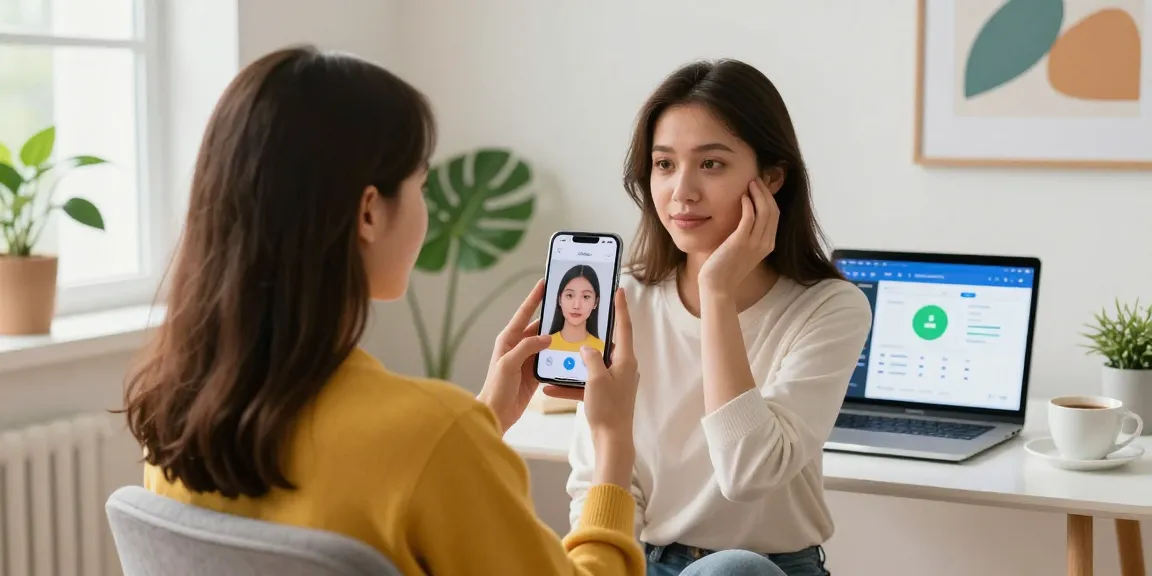
- AI-Powered Analysis: Many online tools utilize AI to analyze uploaded photographs, scoring users based on factors like symmetry, proportions, and facial angles.
- Human Evaluation: Some tests involve panels of judges who rate attractiveness based on established beauty standards.
- Self-Reported Metrics: Users may also engage in social media polls or quizzes, providing a more subjective measure of attractiveness.
Popular Attractiveness Test Tools in 2026
As technology continues to advance, a plethora of platforms offering attractiveness testing has emerged, particularly in 2026. Each platform varies in its methodology, accuracy, and user engagement, making it essential for potential users to understand their options.
Top AI Attractiveness Test Platforms
Among the most sought-after tools for testing attractiveness are:
- FaceWow: This platform uses AI to provide a comprehensive analysis of facial features, scoring users on beauty and symmetry.
- AttractivenessTest.com: Known for its user-friendly interface, this site offers a quick way to get an attractiveness score based on uploaded images.
- Maxxing: This tool leverages psychology and AI to offer insights into physical attractiveness standards.
Features of Effective Attractiveness Tests
When choosing an attractiveness test, certain features can enhance the user experience and reporting accuracy. These include:
- Detailed Reports: Effective tools provide comprehensive feedback, detailing which aspects of a user’s appearance contribute to their attractiveness score.
- User Privacy: Ensuring that user-uploaded images are secure is paramount for credibility.
- Interactive Follow-Up: Providing suggestions on enhancing attractiveness based on user features is an added value.
Comparison of Free vs. Paid Services
While many tools offer free attractiveness testing, paid services often provide more detailed analysis and personalized feedback. Free tools can serve as a good starting point, but for those seeking in-depth evaluations, investing in a premium service may be worthwhile.
User Experience and Expectations
Understanding user experiences related to attractiveness tests can provide insights into the effectiveness and limitations of these tools. It is essential to approach testing with realistic expectations.
How Accurate Are Attractiveness Tests?
The accuracy of attractiveness tests varies widely depending on the methods used. AI-driven tools, while increasingly sophisticated, may still produce results that some users perceive as inconsistent or biased. Many factors influence a person's attractiveness beyond facial features alone, such as personality and confidence, which are often not considered in these tests.
Understanding Your Results
Receiving an attractiveness score can be enlightening yet potentially disheartening. It’s important to understand that these scores are not absolute measures of worth or self-esteem. Instead, they should be taken as one of many perspectives on physical appearance.
Common Misconceptions and Challenges
Many individuals overlook the multifaceted nature of beauty. A score derived from a test may not represent how one is perceived socially, emphasizing the gap between numeric evaluation and human interaction. Additionally, cultural differences in beauty standards can lead to varying interpretations of attractiveness across different demographics.
Influence of Social Media on Attractiveness Perception
In today’s digital landscape, social media plays a pivotal role in shaping beauty standards. Various influencers and celebrities often set trends that can distort realistic perceptions of beauty.
The Role of Influencers in Attractiveness Standards
Social media influencers wield significant power over beauty norms. Their curated images often establish a narrow definition of attractiveness that can impact followers’ self-images and aspirations. This influence can lead to an unhealthy fixation on achieving specific looks that align with these trends.
Social Media Trends Affecting Beauty Judgments
Trends such as the "Instagram aesthetic" or the "TikTok makeup challenge" have brought attention to certain beauty standards, affecting how individuals evaluate their attractiveness. These trends often prioritize certain features over others, leading to a cyclical reinforcement of limited beauty ideals.
Debunking Beauty Myths in the Digital Age
With the rise of filters and photo-editing software, understanding the reality behind images is crucial. Many social media posts are heavily edited, contributing to unrealistic expectations regarding beauty and attractiveness. Awareness of this can foster a healthier self-image and a more compassionate outlook toward differing appearances.
Future Trends in Attractiveness Testing
The landscape of attractiveness testing is expected to evolve significantly, influenced by advancements in technology and shifts in societal norms.
Emerging Technologies in Facial Analysis
Artificial intelligence and machine learning are becoming increasingly sophisticated, enhancing the capabilities of attractiveness tests. Future tools may incorporate more complex algorithms that factor in emotional expression and situational context, providing a more holistic assessment of attractiveness.
The Evolution of Beauty Standards by 2026
As societal values shift, beauty standards are expected to become more inclusive, embracing a broader range of body types, skin colors, and facial features. This evolution will likely influence the metrics used in attractiveness testing, encouraging a more diverse representation of beauty.
Ethical Considerations in Attractiveness Testing
With increased reliance on AI and facial recognition comes the responsibility to address ethical concerns. Issues such as data privacy, algorithmic bias, and the potential for reinforcing negative self-image must be carefully managed as these technologies continue to develop.
Can I Rely on Attractiveness Tests?
While attractiveness tests can provide interesting insights, they should not be relied upon as definitive measures of one's worth or appeal. The subjective nature of beauty makes it essential to consider these tests as one of many tools in understanding personal attractiveness.
Is There an Accurate Attractiveness Test?
Though there are several tools claiming accuracy, many users find variability in results based on differing algorithms and personal biases inherent in the AI technology. It is advisable to use multiple tests for a more rounded perspective rather than depending on a singular score.
How Can I Test My Attractiveness?
To test your attractiveness, you can explore a range of online tools, including AI-powered platforms where you upload a photo for analysis. Remember to approach the results with an open mind, viewing them as a reflection of certain criteria rather than absolute judgments.
Is 7 out of 10 Considered Attractive?
A score of 7 out of 10 is generally considered attractive, though perceptions can vary widely based on individual preferences and cultural contexts. Such scores can serve as a benchmark rather than a definitive assessment of beauty.
Is a 6.5 out of 10 Attractive?
Similarly, a score of 6.5 is often viewed as attractive, though it might not align with everyone's personal standards. Understanding that beauty is subjective reinforces the idea that these scores are merely averages based on specific metrics.