
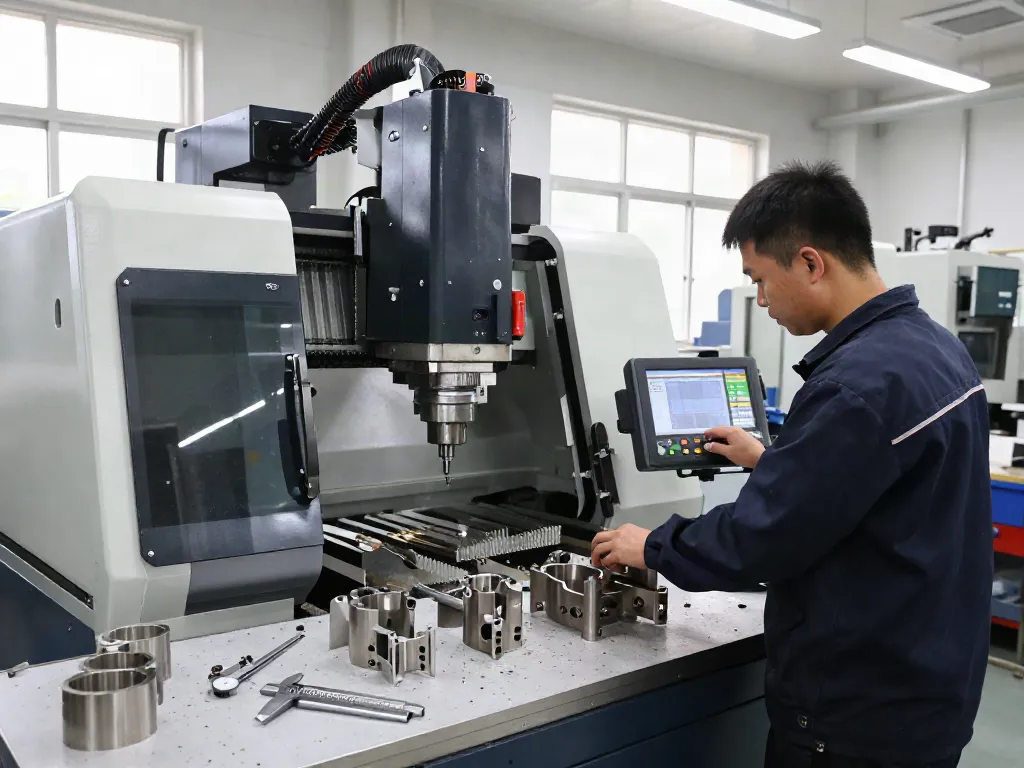
Understanding CNC Machining Parts
CNC machining parts represent the backbone of modern manufacturing, serving industries from aerospace to consumer electronics. These components are not only crucial for the assembly of machines but also play a significant role in the production of precision instruments. In an era where efficiency and quality are paramount, understanding the nuances of CNC machining parts can greatly enhance operational output and product reliability. When exploring options, cnc machining parts provide comprehensive insights into the precision manufacturing process that has revolutionized the industry.
Definition and Importance of CNC Machining Parts
CNC, or Computer Numerical Control, machining involves using computer-controlled machines to produce parts from various materials. This process allows for high precision and repeatability, making CNC machining parts essential in manufacturing environments where accuracy is critical. The importance of these parts cannot be overstated; they form the basic building blocks of machinery and devices, ensuring functionality and performance.
Types of CNC Machining Parts and Their Applications
CNC machining encompasses a variety of parts, each designed for specific applications:
- CNC Milled Parts: Used in creating complex shapes, milled parts are prevalent in aerospace and automotive applications.
- CNC Turned Parts: Ideal for cylindrical parts, these are crucial in the production of shafts, fittings, and other similar components.
- Injection Molded Parts: Common in high-volume production, these parts are significant for consumer products and electronic housings.
- Screw Machined Parts: Typically used for precision fasteners and connectors, these parts are vital in almost every machinery segment.
Materials Used in CNC Machining Parts
The materials selected for CNC machining parts play a significant role in their performance and application suitability. Common materials include:
- Aluminum: Lightweight and corrosion-resistant, aluminum parts are widely used in aerospace and automotive sectors.
- Stainless Steel: Known for its strength and resistance to oxidation, it is often utilized in environments requiring durability.
- Plastics: Versatile and cost-effective, plastics are ideal for prototypes and components in less demanding applications.
- Brass and Copper: These materials are commonly used in electrical applications due to their excellent conductivity.
Key Trends Shaping CNC Machining in 2026
As the manufacturing landscape evolves, several key trends are shaping the future of CNC machining. Staying informed about these trends can help businesses adapt and thrive in a competitive market.
Technological Advancements in CNC Machining
Advancements in technology are transforming CNC machining processes, leading to reduced lead times and improved quality. Innovations such as artificial intelligence (AI) and machine learning enable predictive maintenance, reducing downtime and enhancing production efficiency. Furthermore, the integration of IoT (Internet of Things) in CNC machines allows for real-time monitoring and control, ensuring optimal performance at all times.
Industry Demand and Market Growth Predictions
According to recent market research, the CNC machining market is expected to see significant growth in the coming years, driven by increased demand in various sectors including automotive, aerospace, and medical devices. The rise of customized manufacturing solutions and the need for rapid prototyping are key factors fueling this expansion. As industries increasingly seek high-quality, precision-engineered parts, the role of CNC machining will continue to gain importance.
Sustainability Trends in CNC Machining Services
In 2026, sustainability will be a central theme in CNC machining services. Manufacturers are exploring eco-friendly machining techniques and materials to reduce their environmental impact. This includes using biodegradable oils, reducing waste through efficient machining practices, and recycling scrap materials. Adopting sustainable practices not only helps the environment but also appeals to increasingly eco-conscious consumers.
Challenges in CNC Machining Services
While the CNC machining industry offers many opportunities, it also faces various challenges that manufacturers must navigate effectively.
Common Issues Faced by CNC Machining Manufacturers
Common issues include equipment malfunctions, skill shortages, and fluctuating material costs. Equipment downtime can drastically affect production schedules, leading to delays and increased costs. Additionally, the industry's reliance on skilled technicians poses a challenge as many experienced machinists retire, leaving a gap in knowledge and expertise.
Addressing Quality Assurance in CNC Machining Parts
Quality assurance remains a crucial aspect of CNC machining. Manufacturers must implement rigorous quality control processes to prevent defects and ensure that components meet specifications. This includes regular calibration of machines, adherence to industry standards, and thorough inspection of finished parts. Employing advanced quality assurance technologies, such as automated inspection systems, can enhance accuracy and efficiency.
Overcoming Supply Chain Challenges in 2026
The global supply chain has experienced significant disruptions, impacting material availability and delivery times. CNC machining companies must develop robust supply chain strategies to mitigate these risks. This may involve building strong relationships with multiple suppliers, investing in local sourcing, and maintaining adequate inventory levels to ensure production continuity.
Best Practices for Sourcing CNC Machining Parts
To ensure a smooth procurement process, businesses must adopt effective strategies when sourcing CNC machining parts.
How to Choose the Right CNC Machining Supplier
Selecting the right CNC machining supplier is pivotal for achieving desired outcomes. Consider factors such as the supplier’s production capabilities, quality certifications, and reputation in the industry. Engaging with suppliers who have experience in your specific field can lead to better collaboration and understanding of your unique needs.
Evaluating Precision and Quality in CNC Machining Parts
Precision is paramount in CNC machining. Always request samples to evaluate a supplier's precision and quality. Look for detailed documentation that outlines machining tolerances, surface finishes, and quality assurance procedures. Suppliers that utilize modern technology and adhere to industry standards are typically more reliable.
Cost-Effective Strategies for Effective Sourcing
Cost control is essential in manufacturing. When sourcing CNC machining parts, consider bulk ordering to take advantage of lower prices, while also being mindful of maintaining quality. Additionally, collaborating with suppliers on design for manufacturability can reduce costs by simplifying production processes and minimizing waste.
Future Innovations: What’s Next for CNC Machining?
The future of CNC machining is ripe with potential for innovation and growth. As the industry continues to evolve, staying abreast of emerging technologies will be key to success.
Emerging Technologies Impacting CNC Machining
Technologies such as additive manufacturing (3D printing) are beginning to intersect with traditional CNC machining processes, creating new avenues for part production. This hybrid approach allows for more complex and lightweight designs, which were previously unachievable.
Predictions for CNC Machining Parts in the Industry
Looking ahead, the CNC machining parts market is expected to become increasingly specialized, with a focus on high-precision components tailored to specific industry needs. Personalization and customization will be key trends, driven by advancements in machine technology and consumer demand.
Preparing for the Future: Skills Needed for CNC Professionals
As the industry evolves, so too must the skillsets of CNC professionals. Future machinists will need to possess a blend of traditional machining skills and technical knowledge in programming, automation, and data analysis. Continuous education and training will be crucial to maintain competence in this rapidly changing landscape.