
Understanding BMW Timing Chain Replacement
The timing chain is a critical component in the engine of your BMW, responsible for synchronizing the rotation of the crankshaft and camshaft. This synchronization ensures that the engine’s valves open and close at the proper times during each cylinder's intake and exhaust strokes. Given its importance, understanding the process of bmw steuerkette wechseln is essential for maintaining your vehicle's performance and longevity.
What is a Timing Chain and Its Importance?
A timing chain is made of metal links and plays a crucial role in the timing of internal combustion engines. Unlike timing belts, which are made from rubber and require regular replacement, timing chains are generally designed to last the life of the engine. However, they can still wear out over time due to factors such as engine heat, oil quality, and mileage. A failing timing chain can lead to severe engine damage, making regular maintenance and timely replacement essential for BMW owners.
Symptoms of a Failing Timing Chain
Identifying the symptoms of a failing timing chain early can save you from expensive repairs. Common signs include:
- Rattling Noise: A rattling or ticking noise from the engine can indicate a loose chain.
- Check Engine Light: If the timing chain is worn, it may trigger the check engine light.
- Engine Misfiring: A misfire can occur if the timing chain slips, causing the engine to run poorly.
- Oil Leaks: Leaking oil can happen if the timing chain cover becomes damaged.
Cost Factors in bmw steuerkette wechseln
The cost associated with replacing a BMW timing chain can vary significantly based on several factors, including the model, year, and the labor rates of your chosen mechanic. Typically, BMW drivers can expect to pay anywhere from $1,100 to $2,200 for a timing chain replacement. Additional expenses may include the cost of new gaskets and the potential need for further repairs if the timing chain has caused damage to the engine. To get an accurate estimate, it’s best to consult a professional mechanic familiar with BMW vehicles.
When to Schedule Your BMW Steuerkette Wechseln
Recommended Replacement Intervals
While BMW timing chains are designed to last, it’s advisable to follow manufacturer recommendations for timing chain inspection or replacement. Typically, it’s recommended to check the timing chain around the 100,000-mile mark. Regularly scheduled maintenance can help identify potential issues before they become serious problems.
Signs Your Timing Chain Needs Immediate Attention
If you notice symptoms such as abnormal noises or engine misfires, it’s crucial to seek immediate assistance. Additionally, if your engine experiences sudden power loss, it could be a sign of timing chain failure. Ignoring these warnings can lead to catastrophic engine failure and costly repairs.
Common Misconceptions About Timing Chain Longevity
Many BMW owners mistakenly believe that timing chains do not require maintenance. While they can last a long time, they are not immune to wear and tear. Regular oil changes and using high-quality engine oil can extend the life of your timing chain significantly.
DIY vs. Professional Service: Making the Right Choice
Advantages of Professional BMW Service
Choosing a professional service for your BMW timing chain replacement has several advantages. Trained technicians possess the necessary expertise to handle specific models and ensure that all related parts are examined and replaced as needed. Additionally, professional services often come with warranties that can provide peace of mind.
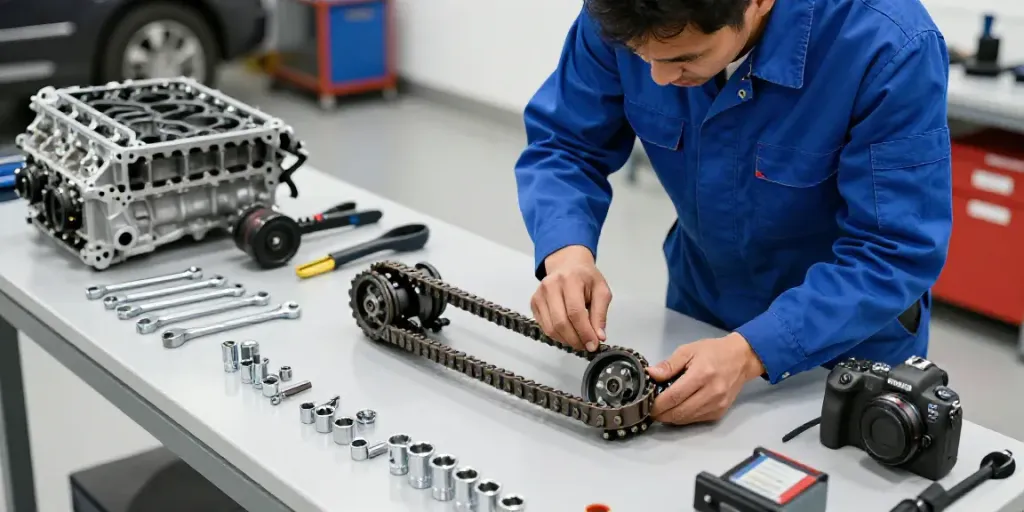
Tools Needed for a DIY Steuerkette Wechseln
If you are considering a DIY timing chain replacement, you will need specialized tools, including:
- Torque wrench
- Socket set
- Engine timing tools specific to BMW
- Gasket scraper
- Oil filter wrench
Step-by-Step Guide for DIY Enthusiasts
- Preparation: Gather all necessary tools and parts, and ensure you have a clean working environment.
- Disconnect the Battery: Always start by disconnecting the vehicle’s battery to prevent electrical issues.
- Remove Necessary Components: Depending on your BMW model, you may need to remove various engine components, such as the valve cover and timing chain cover.
- Replace Timing Chain: Carefully follow the service manual for your model to replace the timing chain, ensuring that all timing marks align correctly.
- Reassemble and Test: Once the new chain is installed, reassemble all removed components, reconnect the battery, and start the engine to test the installation.
Real-Life Case Studies and Insights
Successful Timing Chain Replacements Explained
Many BMW owners have successfully replaced their timing chains, sharing their experiences to benefit others. For example, one owner documented a timing chain replacement on a BMW 3 Series, noting that the task took approximately 15 hours, but detailed planning and preparation allowed for a successful outcome.
Lessons Learned from Common DIY Mistakes
While DIY replacements can be rewarding, they often come with pitfalls. A common mistake is neglecting to properly torque the timing chain bolts, which can lead to future failures. It's critical to follow specifications precisely to avoid these issues.
Expert Experiences in Maintaining BMW Engines
Experts in BMW maintenance recommend that owners stay informed on their specific model's requirements. For instance, some newer models feature timing chain designs that may require less frequent replacement compared to older models, reflecting advancements in engineering.
Future Trends in BMW Engineering and Maintenance
Emerging Technologies in Engine Design
BMW is consistently investing in innovative technologies designed to enhance engine performance and efficiency. Future models may include even more advanced timing chain systems that require less maintenance and offer better durability.
What to Expect from BMW in 2026
As the automotive industry shifts towards electrification, BMW is likely to focus on hybrid and electric engines. However, traditional internal combustion engines will still play a role, emphasizing the need for ongoing education regarding maintenance practices, including timing chain servicing.
Proactive Maintenance Strategies for BMW Owners
To ensure long-lasting performance from your BMW, adopt a proactive maintenance strategy. This includes regular oil changes, checking for leaks, and staying alert to any signs of wear on the timing chain. By being vigilant, you can extend the longevity of your vehicle and avoid costly repairs.
What is the average cost to replace a BMW timing chain?
On average, the cost to replace a BMW timing chain ranges from $1,100 to $2,200, depending on model and labor costs.
When should you replace the timing chain in a BMW?
It is advisable to inspect and potentially replace the timing chain around the 100,000-mile mark, or sooner if symptoms arise.
Which BMW models have timing chain issues?
Common models that have historically faced timing chain issues include the BMW N47 and N43 engines. However, issues can vary by vehicle history and maintenance.
How can you tell if the timing chain needs replacing?
Signs of a failing timing chain can include rattling noises, check engine lights, and engine misfires. If you notice these symptoms, it's crucial to consult with a mechanic immediately.
What are common problems with BMW timing chains?
Common timing chain problems in BMWs may include stretching, slackening, and failure due to lack of maintenance or inadequate lubrication.