The Evolution of Preschool Education in Singapore
Singapore's preschool education system has undergone a significant transformation over the years, evolving from traditional rote learning methods to more progressive, child-centered approaches. This change marks a cultural shift towards embracing interactive and inquiry-based learning systems that prioritize the holistic development of children. In this context, Pegasus International Preschool stands out as a beacon of innovation, providing one of the best international preschool Singapore experiences, effectively nurturing curiosity and creativity among young learners.
Historical Perspective on Early Childhood Education
The history of preschool education in Singapore can be traced back to the early 1960s when the focus was predominantly on basic literacy and numeracy skills. A significant hallmark of this era was the establishment of kindergartens that aimed to prepare children for primary education. However, this often occurred without considering the emotional and social dimensions of learning, which are crucial for a child's overall development.
Over the decades, driven by research on early childhood development, Singapore has gradually embraced a more holistic and comprehensive approach to preschool education. The recognition that a child's development extends beyond cognitive skills has led to the integration of social, emotional, and physical development into preschool curricula. This paradigm shift has culminated in a system that not only prepares children academically but also supports their emotional intelligence and social skills.
Current Trends in Preschool Curriculum Design
In contemporary preschool settings, including Pegasus International Preschool, there is a clear trend towards inquiry-based learning models. These models emphasize experiential learning, encouraging children to ask questions, explore their interests, and engage actively with their environment. This approach contrasts sharply with traditional methods that primarily focus on memorization and compliance.
Preschools today are increasingly incorporating sensory and hands-on activities that allow children to learn through play and exploration. This trend is not merely about making learning fun; it is grounded in research that demonstrates children’s cognitive development is significantly enhanced by engaging in active problem-solving and critical thinking exercises.
Impact of Parents' Involvement in Learning
Parental involvement plays a vital role in the success of any preschool program. Research consistently shows that children whose parents actively participate in their learning processes tend to perform better academically and socially. Preschool teachers at Pegasus International Preschool understand the importance of this collaboration and actively encourage parents to engage in their child’s learning journey.
Through workshops, family events, and regular updates on children's progress, parents are empowered to contribute positively to their child's educational experiences. This partnership not only enriches the child's learning environment but also fosters a sense of community among families, creating a robust support network that benefits everyone involved.
Understanding Inquiry-Based Learning
Inquiry-based learning is a teaching method that fosters a natural curiosity in children, encouraging them to explore and discover the world around them. This approach aligns perfectly with the developmental needs of preschoolers, who are inherently curious and eager to learn through their experiences.
What is Inquiry-Based Learning?
Inquiry-based learning is characterized by its student-centered approach, where children are encouraged to ask questions and pursue their inquiries actively. Instead of receiving information passively from the teacher, children are engaged in their learning process, which enhances retention and understanding.
This educational model inspires children to think critically and fosters their ability to connect new knowledge with existing experiences. It also cultivates essential skills such as communication, collaboration, and creativity, which are vital for their future academic and social success.
Benefits of Inquiry Over Traditional Rote Learning
Research has shown that inquiry-based learning offers several advantages over traditional rote learning techniques. Children engaged in inquiry develop deeper understanding and long-term retention of knowledge, as they learn how to apply information in practical contexts. This method encourages them to become independent thinkers and problem solvers, rather than mere recipients of information.
- Enhanced Engagement: Inquiry-based learning keeps children interested and motivated through hands-on activities and exploration.
- Critical Thinking: Children learn to analyze, evaluate and create based on their inquiries, building essential cognitive skills.
- Social Skills Development: Collaborative inquiry fosters teamwork, communication, and empathy among peers.
Examples of Inquiry-Based Activities in Preschools
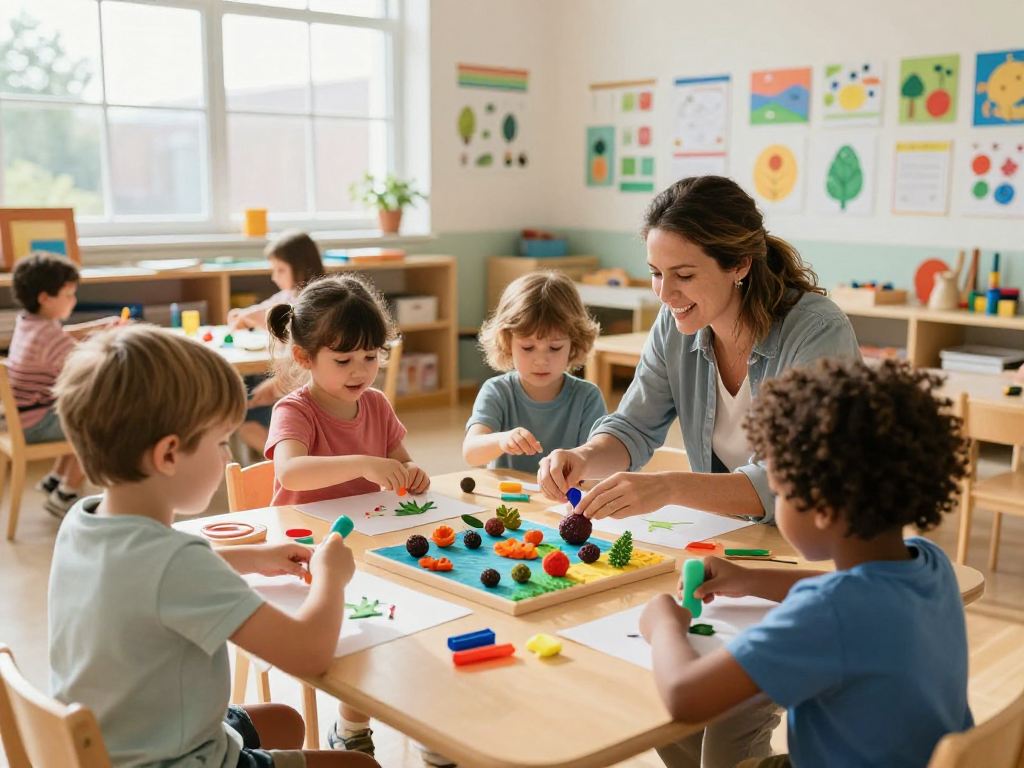
At Pegasus International Preschool, various inquiry-based activities are designed to ignite children's natural curiosity. For instance, teachers may set up a garden project where children can explore plant growth, understand ecosystems, and even learn about sustainability through hands-on experiences. Activities like these do not only impart knowledge but also encourage children to ask further questions about the world around them.
Another example could be a science exploration day, where children are given different materials to experiment with, fostering a sense of discovery and promoting scientific thinking. Such activities highlight the importance of experiential learning in developing a child's understanding and appreciation of various subjects.
Holistic Development: Mind, Body, and Spirit
Holistic development in early childhood education encompasses not just intellectual growth but also emotional, social, and physical development. This comprehensive approach prepares children for a well-rounded life beyond the classroom.
The Five Domains of Child Development
Holistic development can be categorized into five key domains:
- Cognitive Development: Enhancing problem-solving and critical thinking skills.
- Emotional Development: Helping children recognize and express their emotions.
- Social Development: Fostering interpersonal skills and the ability to form relationships.
- Physical Development: Promoting motor skills and overall health through physical activities.
- Spiritual Development: Encouraging self-reflection, mindfulness, and a sense of purpose.
How Preschool Shapes Lifelong Learners
Preschool serves as the foundation for lifelong learning by instilling a love for inquiry and exploration. Programs like those at Pegasus International Preschool cultivate an environment where children feel safe to express themselves and explore their interests, setting the stage for future academic and personal successes.
By adopting a holistic approach to education, preschools help children develop a well-rounded skill set that will serve them throughout their lives, making them adaptable and resilient individuals ready to tackle the challenges of the future.
Strategies for Supporting Holistic Growth
To support holistic growth, preschools can implement several strategies:
- Integrated Learning Activities: Combine various disciplines into cohesive learning experiences.
- Flexible Learning Environments: Create spaces that encourage exploration and collaboration.
- Parental Engagement: Involve families in learning processes through workshops and activities.
Choosing the Right Preschool for Your Child
Finding the right preschool is a crucial decision for parents, as it lays the foundation for their child's future education and development. Various factors should be considered when choosing a preschool that aligns with your child's needs and your family values.
Factors to Consider When Selecting a Preschool
When selecting a preschool, parents should evaluate the following factors:
- Curriculum: Ensure the preschool offers a curriculum that aligns with your educational philosophy, whether it be inquiry-based, play-based, or a mix of both.
- Teacher Qualifications: Investigate the qualifications and experience of the teaching staff.
- Environment: Visit the preschool to assess the facilities, classroom settings, and overall atmosphere.
Importance of Teacher-Child Ratios
A low teacher-child ratio is essential for personalized attention in early childhood education. When teachers can focus on individual children's needs, it fosters a more effective learning environment. This is particularly relevant at Pegasus International Preschool, where a high ratio of qualified teachers to children ensures that each child receives the support they need to thrive.
Assessing the School Environment and Facilities
During your visit to prospective preschools, take note of the environment and facilities. Look for safe and inviting spaces that promote exploration and creativity. Outdoor play areas, art studios, and reading nooks can greatly enrich the educational experience and support diverse learning styles.
Future Trends in Preschool Education for 2026
As the landscape of education continues to evolve, several trends are emerging that will shape preschool education in 2026 and beyond. These trends reflect the changing needs of society and the understanding of how children learn best.
Rise of Multilingual Education in Preschools
In an increasingly globalized world, multilingual education has become a key focus for many preschools. Programs that offer instruction in multiple languages, such as English, Mandarin, and Japanese, prepare children for diverse environments and enable them to communicate effectively across cultures. At Pegasus International Preschool, this approach is central to our curriculum, allowing children to embrace linguistic diversity from an early age.
Technology Integration in Early Learning
With the rise of digital technology, preschools are embracing technology as a tool for learning. Interactive tools, educational apps, and online resources are being integrated into curricula to enhance engagement and learning outcomes. However, this integration is balanced with traditional play-based learning to ensure children develop well-rounded skills.
Creating Inclusive Learning Environments
Inclusion is a vital trend in preschool education. Creating environments that embrace children from various backgrounds, including those with special needs, fosters diversity and understanding. Teachers are trained to adapt their teaching strategies to meet the needs of all learners, ensuring every child has an equitable educational experience.
What Are the Benefits of Choosing an International Preschool?
Choosing an international preschool comes with several benefits, including exposure to diverse cultures and languages. These preschools often prioritize inquiry-based learning and foster an understanding of global citizenship in children. This approach prepares them to thrive in our interconnected world, promoting empathy and cultural appreciation.
What Activities Support Lifelong Learning at Pegasus?
At Pegasus International Preschool, a plethora of activities supports lifelong learning. From science experiments and art projects to cultural celebrations and outdoor explorations, every experience is designed to engage children's curiosity and foster their love for learning. These activities are crucial in developing confidence, collaboration, and innovative thinking among preschoolers.
How Can Parents Contribute to Their Child's Learning Journey?
Parents play a key role in enhancing their child's educational experience. By participating in school events, communicating regularly with teachers, and supporting learning at home, parents significantly boost their child's academic and social development. Encouraging curiosity at home and engaging in discussions about what children learn in preschool can further solidify their learning experiences.