Understanding the Basics of Improv
Improv, short for improvisational theater, is a performance art where most or all of what is performed is created spontaneously by the performers. In a beginner improv class, students learn to think on their feet, react to unexpected situations, and collaborate with others in a playful environment. Unlike scripted performances, improv relies on the imagination, emotional honesty, and the shared experience of the performers and audience alike, making it a uniquely engaging art form.
What is a Beginner Improv Class?
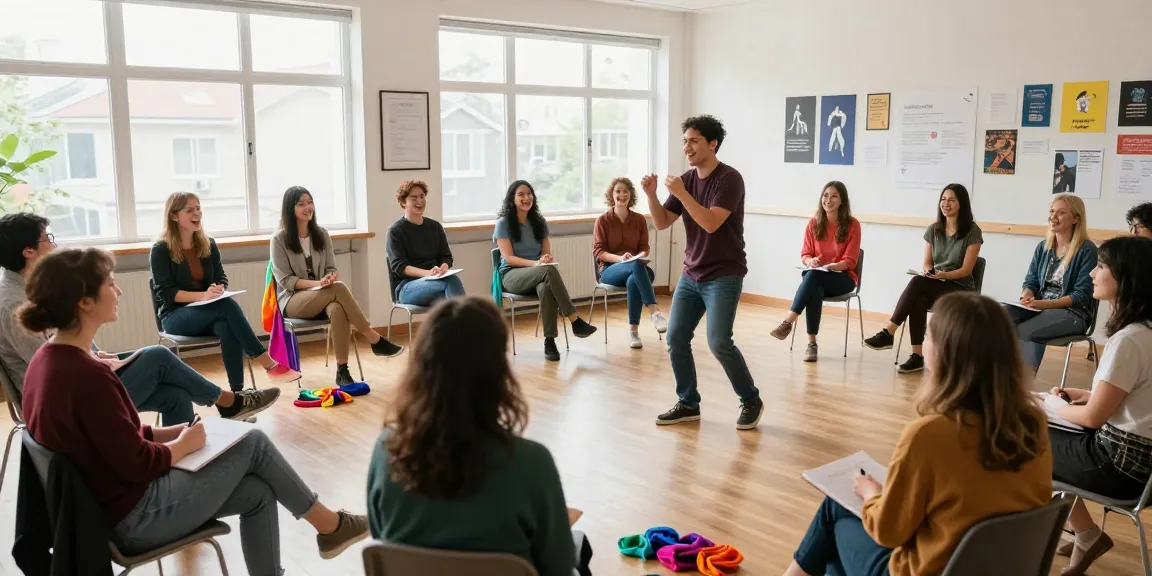
A beginner improv class is designed for individuals who are new to improvisational acting or who have little to no experience in performing arts. These classes introduce students to the foundational concepts of improv, such as the "yes, and" principle, active listening, and character development. Participants engage in various exercises, games, and activities that foster creativity, spontaneity, and comfort on stage. The goal is to create a supportive environment where individuals can explore their creativity without fear of judgment.
Key Skills Developed in Improv
Enroll in a beginner improv class, and you'll start developing essential life skills that extend beyond the stage. Here are some key skills you can expect to enhance:
- Quick Thinking: Improv teaches you to make decisions in real-time and adapt to changing circumstances rapidly.
- Active Listening: You'll learn to tune into your scene partners, paving the way for meaningful interactions and genuine responses.
- Collaboration: Improv encourages teamwork as you build scenes with others, promoting trust and mutual support among classmates.
- Confidence: Regular practice of improv boosts your self-esteem and helps you feel more comfortable in social situations.
- Creativity: You’ll learn to think outside the box, encouraging innovative problem-solving and artistic expression.
The Benefits of Taking an Improv Class
The advantages of engaging in a beginner improv class extend far beyond the stage. Here are several benefits that participants often experience:
- Enhanced Communication Skills: Improv trains you to communicate effectively, an invaluable skill in both personal and professional environments.
- Improved Social Skills: Through practicing interactions with others, participants often see an increase in their social confidence and a decrease in anxiety.
- Stress Relief: Improv exercises are designed to be fun and liberating, offering a delightful break from the pressures of daily life.
- Networking Opportunities: Improv classes bring together people from diverse backgrounds, allowing for natural networking in a relaxed setting.
- A Safe Space for Failure: In improv, failing is part of the process. This allows participants to embrace mistakes, fostering resilience and adaptability.
Choosing the Right Improv Class
Selecting the right beginner improv class is crucial for maximizing your learning experience. Different schools and instructors may offer various styles and philosophies on improv, so it’s important to choose one that suits your needs and goals.
What to Look for in a Beginner Improv Class?
When searching for a beginner improv class, consider the following criteria:
- Instructor Experience: Look for classes taught by experienced instructors who have a strong background in improvisation and understand how to teach the fundamentals effectively.
- Class Size: Smaller classes often provide more personalized attention and opportunities to perform, ensuring that every student feels involved.
- Curriculum Structure: A well-structured curriculum will introduce concepts gradually, allowing students to build confidence as they progress.
- Class Atmosphere: A supportive and positive environment is essential for a successful learning experience. Searching for reviews or testimonials can help gauge the class's culture.
How to Assess Instructors and Their Approaches?
Before enrolling, it’s wise to assess potential instructors by considering their experience and teaching methodologies. Here are some tips:
- Background Check: Research their credentials, performance history, and any notable achievements in the world of improv. Knowing their experience can provide insight into the quality of instruction you can expect.
- Trial Classes: Some institutes offer trial or drop-in classes. Participating in one can give you a feel for the instructor’s style and the overall class dynamic.
- Teaching Philosophy: Understanding how an instructor approaches teaching can help you align your expectations with their methods. Do they emphasize playfulness, or do they focus on technical skills?
- Feedback from Alumni: Seek recommendations from former students. Their experiences can provide valuable insight into the instructor's style and the class atmosphere.
Are Online Classes as Effective as In-Person?
The shift towards online learning has opened up new avenues for aspiring improvisers. While both formats have their merits, consider the following:
- Flexibility: Online classes offer greater schedule flexibility, allowing participants to join from anywhere in the world and at their convenience.
- Cost-Effectiveness: Typically, online classes may come with lower tuition fees, making improv more accessible to many.
- Networking Challenges: In-person classes naturally foster more social interactions, which is a critical aspect of improv. Building relationships and networking can be more difficult in a virtual setting.
- Technical Issues: Online classes may be interrupted by technical glitches, while in-person classes offer a more seamless experience.
Common Misconceptions About Improv Classes
Despite its growing popularity, improv is often shrouded in misconceptions that may deter potential students. Let’s address some common myths.
Is Improv Only for Aspiring Actors?
A common misconception is that improv is solely for those who wish to pursue acting careers. In reality, improv is a valuable tool for anyone interested in enhancing communication, social skills, and creativity, regardless of their professional background.
Do You Need Experience to Join a Beginner Class?
No prior experience is necessary to join a beginner improv class. These classes are designed for newcomers, and instructors expect students to learn from the ground up. Everyone starts somewhere, and improv is about exploration and growth.
How Improv Can Help in Everyday Situations?
Improv skills can be beneficial in daily life, such as:
- Improving Public Speaking: The ability to think quickly and articulate thoughts improves confidence in public speaking scenarios.
- Handling Conflict: The collaborative nature of improv fosters better communication, a critical skill when resolving conflicts.
- Networking: Engaging in improv helps break down social barriers, making networking events feel less daunting.
Best Practices for Success in Improv
To get the most out of your beginner improv class, consider adopting the following practices:
How to Prepare for Your First Class?
Preparation can help ease anxiety about your first improv class. Here are some tips:
- Arrive Open-Minded: Approach the class with an open mind and a willingness to embrace spontaneity.
- Dress Comfortably: Wear comfortable clothing that allows for movement, as improv often involves physical expression.
- Leave Judgment at the Door: A key aspect of improv is creating a judgment-free zone. Be ready to enjoy the experience without self-criticism.
Tips for Engaging with Classmates
Building rapport with classmates enhances the learning experience. Here are some ways to connect:
- Participate Actively: Engage fully in exercises and games; this not only improves your skills but also builds connections with your peers.
- Support Others: Encourage classmates, especially during challenging exercises. This fosters a supportive environment beneficial for everyone.
- Utilize Breaks: Use breaks between sessions to chat with classmates and get to know them better.
What Exercises Can Enhance Your Learning?
Several exercises are commonly used to enhance learning in improv classes:
- Yes, And: This fundamental exercise teaches you to build on others' ideas, promoting collaboration.
- Character Walks: Practicing walking and talking as different characters helps enhance abilities in character development.
- Scenes: Short scenes with prompts foster quick thinking and improve performance skills.
Future Trends in Improv Education
As we look ahead in 2026, improv education continues to evolve, embracing new trends that enhance the learning experience.
What Innovations are Coming in Improv Class Formats?
Innovations in improv class formats include:
- Hybrid Classes: Combining in-person and online formats creates flexibility and diverse participation.
- Workshops with Guest Artists: Collaborating with professional performers can provide students with new perspectives and techniques.
- Specialized Classes: The rise of niche classes focusing on specific improv styles or themes is becoming more prominent.
How is Technology Shaping Improv Classes in 2026?
Technology is set to play a larger role in improv education:
- Virtual Reality: VR technology may offer immersive improv experiences, enabling students to practice in diverse environments.
- Interactive Platforms: Online platforms are evolving to create more interactive and engaging improv experiences.
- Feedback Systems: Advanced tools can facilitate real-time feedback, allowing participants to improve in-between sessions.
What's Next for Participants After Beginner Classes?
After completing a beginner improv class, participants can explore various opportunities:
- Advanced Classes: Continuing with more specialized classes to develop further skills.
- Performance Opportunities: Many schools offer shows or showcases that allow students to perform, showcasing their growth.
- Community Groups: Joining local improv groups can provide ongoing practice and social engagement.
What Should I Know Before Starting a Beginner Improv Class?
Before embarking on your improv journey, keep in mind that the experience is about growth and exploration. Embrace the fact that mistakes are part of the learning process, and approach each class with curiosity and a sense of humor.
How Can Improv Help Overcome Social Anxiety?
Improv can be a powerful tool for alleviating social anxiety by creating safe environments to practice social interactions. Participants learn to express themselves freely, confront fears, and build confidence in their communication skills.
What Are Fun Activities to Expect in Improv Classes?
Expect a variety of fun and engaging activities in an improv class, including:. Additionally, Social confidence classes provides further details.
- Ice Breakers: Fun games to help everyone loosen up and get comfortable.
- Scene Work: Creating spontaneous scenes based on prompts that challenge creativity and teamwork.
- Character Games: Exercises that focus on character building and improvisation, encouraging unique portrayals.